

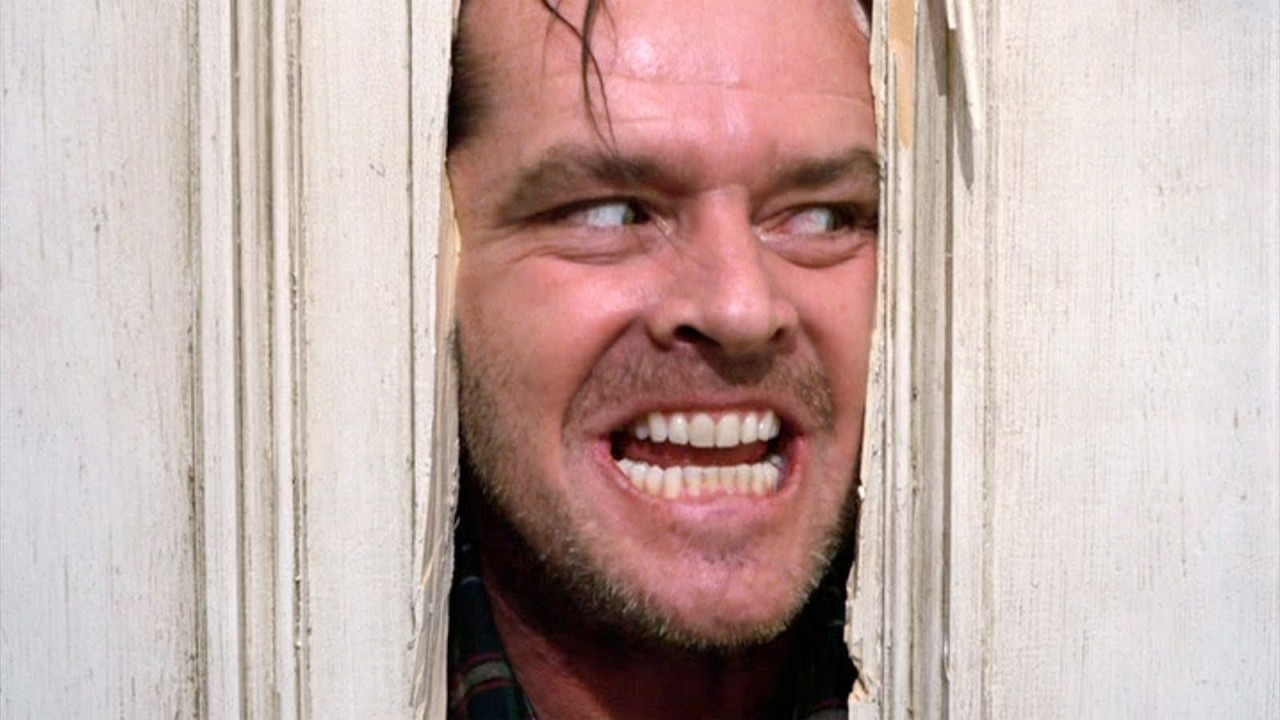
Days ago, I saw my 13-year-old kid laughing at a message containing the “Here’s Johnny!” meme. As a fan of horror movies, I couldn’t avoid asking him, “Do you know who this guy is?” He replied, “Yes, he is the one from The Shining!” Surprised, I asked, “Oh, you have seen the movie, haven’t you?” He said, “No, I haven’t, but everybody knows what this is.” I followed up, “Do you know what the movie is about?” He shrugged, as if to say, “Who cares?”
In that moment, I realized something profound. No, not that he should watch The Shining (although we did watch it together a few days later), but rather something I had been pondering for a long time. Memes, detached from their original contexts, are becoming a new form of mythology—a universal language that conveys meaning even to those who have never experienced the original source. This realization is what I want to explore in this article.
Memes as a Cross-National Language
Generation Alpha—the first generation born entirely within the digital era—has adopted memes as a universal mode of expression. These digital artifacts compress complex emotions, ideas, and cultural references into instantly recognizable formats. Unlike traditional language, which requires linguistic fluency, memes rely on visual cues and shared cultural understanding, making them accessible across national and linguistic boundaries.
For example, a meme like “Confused John Travolta” from Pulp Fiction is universally understood as a symbol of bewilderment or being out of place, even by those who have never seen the movie or know who John Travolta is. This detachment from the original context allows memes to function as a flexible, evolving language that resonates with diverse audiences.
Memes as Modern Myths
This phenomenon closely mirrors the way myths functioned in ancient societies. Myths often originated from real historical events or figures but were transformed into archetypes and symbols that transcended their original contexts. Similarly, memes take cultural fragments—a scene from a movie, an image of a celebrity—and imbue them with new, collective meanings.
Academic research supports this view. Studies like “When Mythology Meets Memology” suggest that memes operate as contemporary digital myths, serving as tools for symbolic production and exchange in modern society. By reinterpreting these symbols, communities create shared narratives that unite them, much like ancient myths provided a common cultural framework for disparate groups.

The Recurrence of Symbolic Unification
The emergence of memes as a unifying cultural force aligns with historical patterns. During periods of globalization, societies often develop universal languages or systems to bridge cultural divides:
- In ancient Indo-European societies, religious leaders used myths and rituals to unify diverse tribes.
- During the Roman Empire, shared myths and Latin served as cultural glue.
- Today, the internet and memes fulfill this role, creating a decentralized but universally recognized symbolic language.
This recurring process underscores humanity’s need for a common ground during times of cultural convergence. Memes, in this sense, are the modern equivalent of mythological stories, offering a shared language for a fragmented, globalized world.
Marketing Influencers and Memes as Cultural Drivers
Marketing influencers today act as modern cultural drivers, leveraging memes and shared digital symbols to shape consumer preferences and drive trends. Much like ancient societies relied on spiritual figures to guide collective choices, influencers create narratives through memes that resonate deeply with their audiences, blending relatability with cultural relevance.
Placed after exploring their legal and ethical implications, memes emerge as potent tools for influencers, offering easily digestible symbols that carry emotional weight and cultural resonance. These digital artifacts are ideal for creating connections and shaping consumer choices in an increasingly fast-paced, information-saturated world.
Whether influencers use memes to promote products or leverage meme culture for campaigns, their symbolic power aligns perfectly with the principles of effective communication, connection, and influence in modern marketing.
Influencers have embraced memes’ participatory nature by engaging directly with their followers through collaborative and relatable content. By adapting viral formats or co-creating memes with their communities, they tap into collective storytelling, ensuring their content remains relevant and impactful.
The Complex Copyright Framework of Memes

But what is the legal status of memes and the associated challenges? Memes often derive from copyrighted material such as movies, stock photos, or artwork, creating potential conflicts with intellectual property laws, especially when used in a commercial context.
- Fair Use Defense: In jurisdictions like the U.S., memes may qualify as fair use if they are
- transformative, such as adding humor or commentary. However, fair use is judged on a case-by-case basis and is not guaranteed, making it a risky defense for marketers.
- Licensing the Content: Brands and individuals can avoid copyright issues by licensing the original material or using public domain and Creative Commons-licensed works.
- Trademark Concerns: Memes that include recognizable trademarks can lead to legal disputes if they imply endorsement or harm the brand’s reputation.
Notable cases have highlighted the complexity of this framework. For instance, the photographer behind the “Distracted Boyfriend” meme pursued legal action against commercial uses of the image, while the creator of “Pepe the Frog” successfully challenged its misuse. These examples underscore the importance of understanding and respecting copyright laws when engaging with meme culture.
The Future of Memes as Mythology
As memes continue to evolve, they may become even more sophisticated, serving as a foundation for a decentralized, globalized culture. They have the potential to bridge generational and cultural gaps, providing a shared language that fosters understanding and connection.
Yet, like any cultural phenomenon, their impact depends on how they are used. Will memes continue to unite us, or will they fracture into niche subcultures? Only time will tell.
Conclusion
Memes are not just a fleeting trend but a profound cultural development. They represent a new form of mythology, born in the digital age and shaped by the collective consciousness of a global society. For Generation Alpha, memes are a language, a cultural unifier, and a medium for storytelling that rivals the myths of old. Marketing influencers, as modern cultural drivers, have recognized and harnessed this power, using memes to communicate, connect, and influence in ways that align with humanity’s timeless need for shared symbols and stories.
if you want to know more
- Aishwarya Javalgekar “When Mythology Meets Memology: The Study of Memes as Contemporary Digital Myths.” MA Research Paper, 2018.
- Nissenbaum, A. and Shifman, L. (2018). Meme Templates as Expressive Repertoires in a Globalizing World: A Cross-Linguistic Study. Journal of Computer-Mediated Communication, 23(5), pp.294–310. doi:https://doi.org/10.1093/jcmc/zmy016.
- Social media memes: A study of its impact on intercultural communications. (2023). International Journal of Development Research, pp.61307–61311. doi:https://doi.org/10.37118/ijdr.26159.01.2023.